
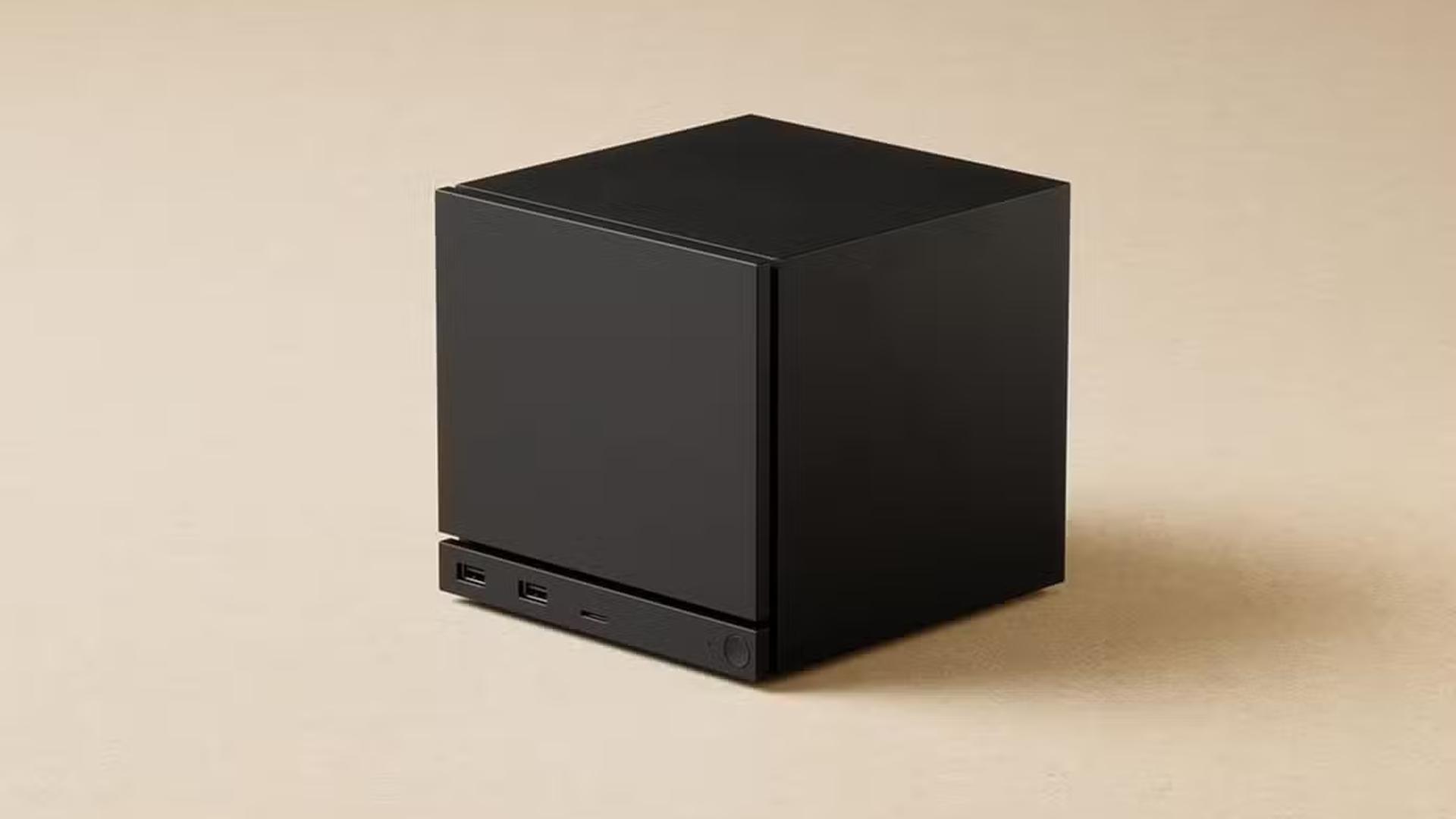

Valve is taking another shot at the living room with the return of the Steam Machine. Nearly a decade after its first attempt, the new version feels less like a reboot and more like a redemption story learning from the past, embracing new tech and targeting a gaming world that’s finally ready for it.
Even though the Steam Machine enters a market dominated by Sony’s PlayStation 5 and Microsoft’s Xbox, Valve looks more prepared than ever.
The compact system, built around a custom AMD architecture, features a Zen 4 6-core, 12-thread CPU paired with an RDNA 3 GPU with 28 compute units, 16 GB DDR5 memory, and 8 GB GDDR6 VRAM. It will ship in 512 GB and 2 TB SSD storage configurations. The hardware sits inside a sleek six-inch cube chassis with a swappable front panel for personalisation.
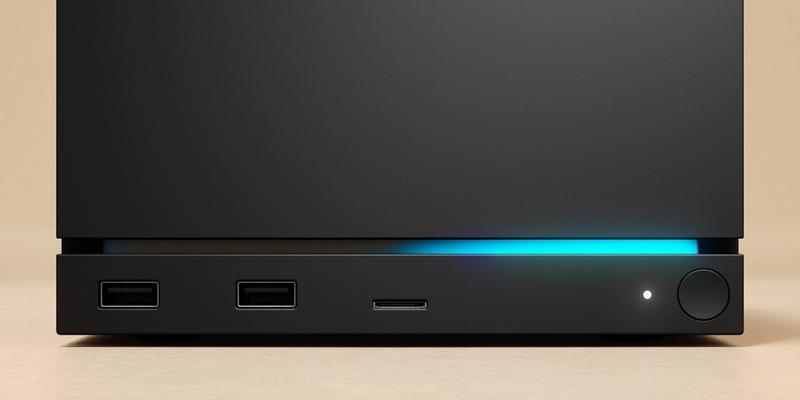
Performance targets are impressive: 4K gaming at up to 240 Hz or 8K at 60 Hz via DisplayPort 1.4, while HDMI 2.0 supports 4K at 120 Hz. Connectivity includes two front USB-A 3.2 Gen 1 ports, two rear USB-A 2.0, a rear USB-C 3.2 Gen 2, Ethernet, and a microSD slot, giving plenty of flexibility for peripherals and expansion.
The Steam Machine runs SteamOS, Valve’s Linux-based system also used on the Steam Deck. Thanks to Proton compatibility, it can run both Linux and most Windows titles, and users can freely install other operating systems or launchers — including Epic Games Store, GOG Galaxy, or emulators.
At launch, it will support the entire Steam library, with Proton ensuring strong compatibility for Windows-only games. Titles like Baldur’s Gate 3, Cyberpunk 2077, Starfield, Counter-Strike 2, and Elden Ring are expected to perform at console level or better.
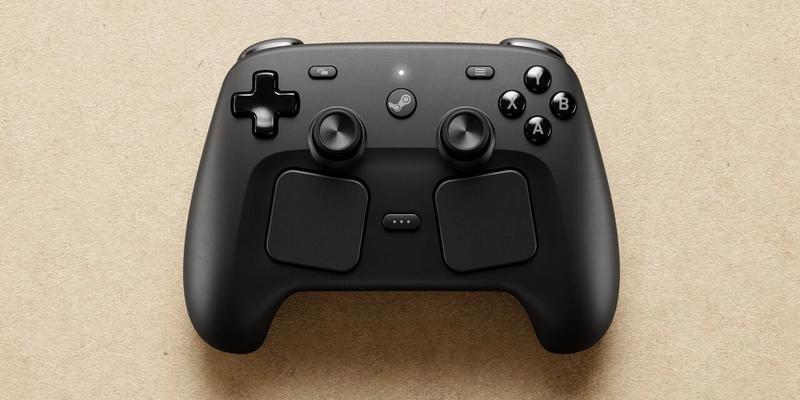
Valve has also introduced a new Steam Controller, maintaining the familiar layout of the Steam Deck. The joysticks use second-generation magnetic technology for smoother responsiveness and feature capacitive touch surfaces for motion control. Additional upgrades include HD haptics, a 6-axis gyro, and dual pressure-sensitive trackpads for precise navigation in games that rely on mouse input.
On the back are two buttons per grip and a capacitive touch surface that detects when you’re holding the controller. Each Steam Machine includes one controller by default, with support for up to four simultaneous connections via Bluetooth or USB. The built-in battery is rated for 35 hours + of gameplay.
The Steam Machine and Steam Controller are set to launch in early 2026, with pricing yet to be announced. If Valve delivers on its promise this time, the living room console war might be about to get very interesting.